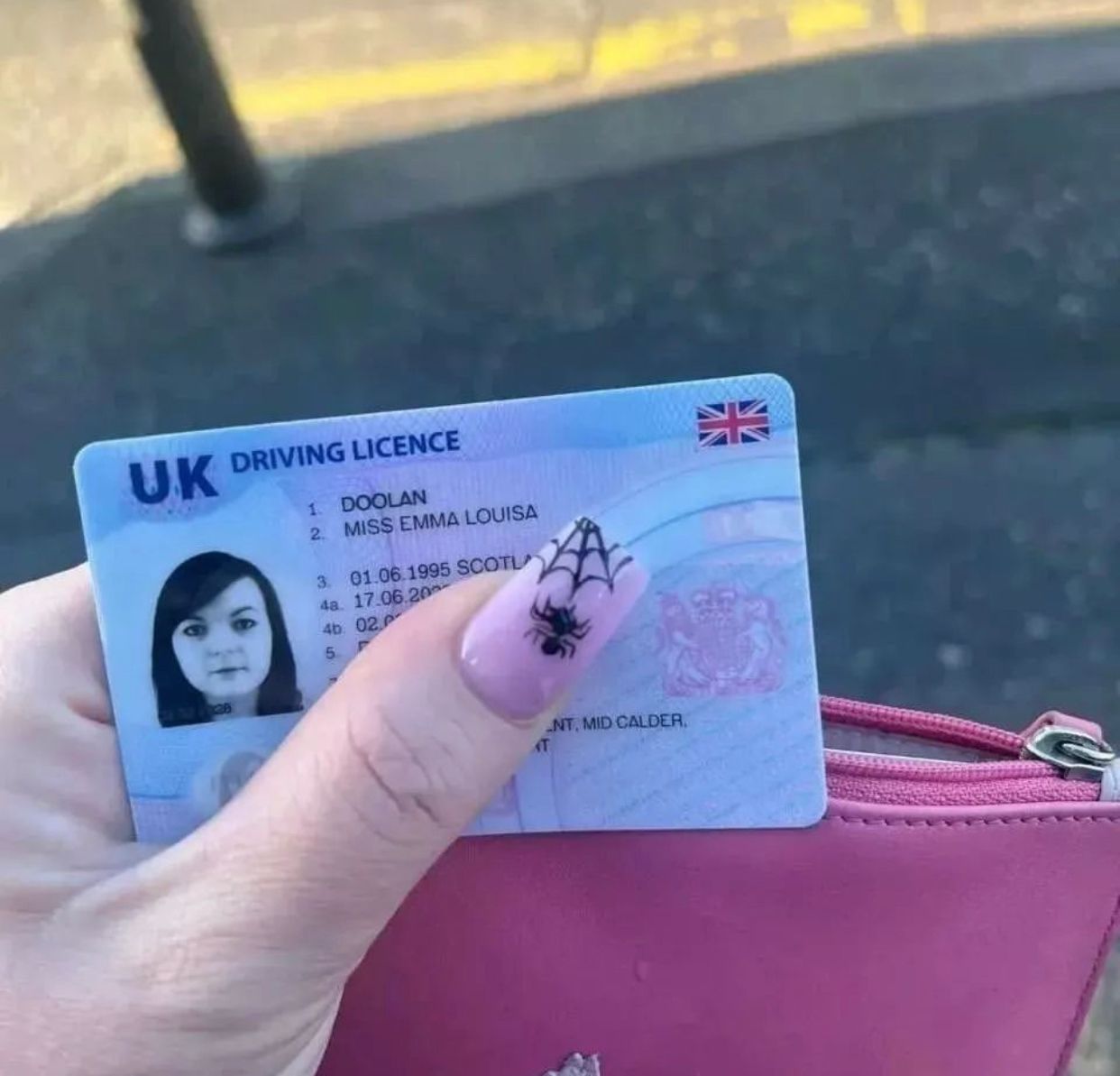
The Comprehensive Guide to Obtaining a Driving Licence in the UK
Acquiring a driving licence in the UK is a vital step for numerous individuals, offering increased self-reliance and movement. Nevertheless, the procedure can sometimes appear intimidating due to the numerous requirements and steps involved. This article intends to supply a helpful overview of the process, including vital information, useful tables, and FAQs to clarify typical unpredictabilities.
Table of Contents
- Introduction
- Kinds Of Driving Licences
- Key Steps to Obtain a Driving Licence
- Regularly Asked Questions (FAQs)
- Conclusion
1. Intro
In the UK, driving is managed by the Driver and Vehicle Standards Agency (DVSA) and the Driver and Vehicle Licensing Agency (DVLA). Piloting your way through the nuances of acquiring a driving licence is critical for anyone hoping to drive legally on British roadways. The procedure may differ a little based on age, experience, and the type of lorry one wants to run.
2. Kinds Of Driving Licences
Before embarking on the journey to protect a driving licence, it's important to understand the different types readily available:
| Licence Category | Description | Minimum Age |
|---|---|---|
| Provisional Licence | A short-lived licence permitting individuals to find out to drive | 17 years |
| Complete Car Licence (Category B) | A licence for driving cars, vans, and other vehicles under 3.5 tonnes | 17 years |
| Complete Motorcycle Licence | A licence for riding bikes | 24 years for unrestricted licence, 20 years for restricted |
| HGV/LGV Licence | A licence for driving much heavier cars | 18 years (with particular training) |
| Category C1/C1E | Licences for driving trucks | 18 years (with particular training) |
| Category D1/D1E | Licences for driving minibuses/buses | 21 years (with specific training) |
3. Key Steps to Obtain a Driving Licence
Getting a driving licence can be broken down into a number of key phases. Below is a comprehensive guide to comprehend each step included in the procedure:
Step 1: Obtain a Provisional Licence
- Application: Complete the application D1, which can be acquired online or at post workplaces.
- Files Required:
- Identity evidence (such as a passport)
- A current passport-style picture
- Address verification for the previous 3 years
- Payment for the application cost, usually around ₤ 34 online or ₤ 43 by post
- Age Requirement: Must be at least 17 years old.
Action 2: Prepare for the Theory Test
- Resources: Utilize the main Highway Code and DVSA research study products.
- Pass Mark: Aim for a rating of 43 out of 50 in the multiple-choice area and 44 out of 75 in the danger understanding area.
- Scheduling: Schedule your theory test at a regional test centre, with a typical expense of ₤ 23.
Action 3: Take Driving Lessons
- Enlist in a driving school or hire a certified instructor.
- Go for about 20 to 50 hours of professional lessons, depending on your capability.
Step 4: Pass the Practical Driving Test
- Reserving: Schedule a practical test through the DVSA website.
- Requirements:
- Show evidence of your provisionary licence
- Complete a vision check
- Carry out a series of driving maneuvers
- Cost: The dry run costs around ₤ 62 on weekdays or ₤ 75 on weekends.
Step 5: Obtain Your Full Licence
Once you pass the practical test, your examiner will send your details to the DVLA. A complete driving licence will be provided to you, usually within 3 weeks.
| Step | Description | Approximated Time Frame | Expense |
|---|---|---|---|
| 1 | Acquire Provisional Licence | Up to 3 weeks | ₤ 34 (online), ₤ 43 (post) |
| 2 | Theory Test Preparation | Variable | ₤ 23 (theory test) |
| 3 | Driving Lessons | 20-50 hours | Varies (typically ₤ 25-₤ 50/hour) |
| 4 | Dry run | 3-6 months after AT | ₤ 62 (weekday), ₤ 75 (weekend) |
| 5 | Full Licence Issuance | 3 weeks | Free (upon passing) |
4. Often Asked Questions (FAQs)
Q1: Can I drive with a provisional licence?
A1: Yes, you can drive an automobile with a provisional licence, supplied you are accompanied by a certified driver over the age of 21 who has had a complete licence for at least three years.
Q2: What should I do if I fail my theory or practical test?
A2: If you stop working either test, you should wait at least three working days before re-booking, and you'll need to pay the relevant test fees each time.
Q3: How long does a driving licence last?
A3: A complete driving licence provided in the UK is generally valid until you are 70 years of ages. After that, you'll require to renew it every 3 years.
Q4: Is there a minimum number of driving lessons required?
A4: While there is no legal requirement for a specified variety of driving lessons, it is extremely suggested to take a substantial amount of professional instruction to prepare adequately for your tests.
Q5: Can I get a driving licence if I have a medical condition?
A5: Yes, you should state specific medical conditions when using; however, it does not immediately disqualify you. Depending upon the condition, you may have to offer extra medical evidence.
5. Conclusion
Getting a driving licence in the UK is a structured process that, while needing effort and expense, can be browsed with proper assistance. By following the detailed steps and being aware of the requirements, striving drivers can successfully prepare themselves for a successful driving experience. Whether it's the liberty to commute to work, embark on journey, or run errands, a driving licence unlocks a world of possibilities for all. Stay informed, be Buy Driving License , and take pleasure in the journey towards your new driving self-reliance!